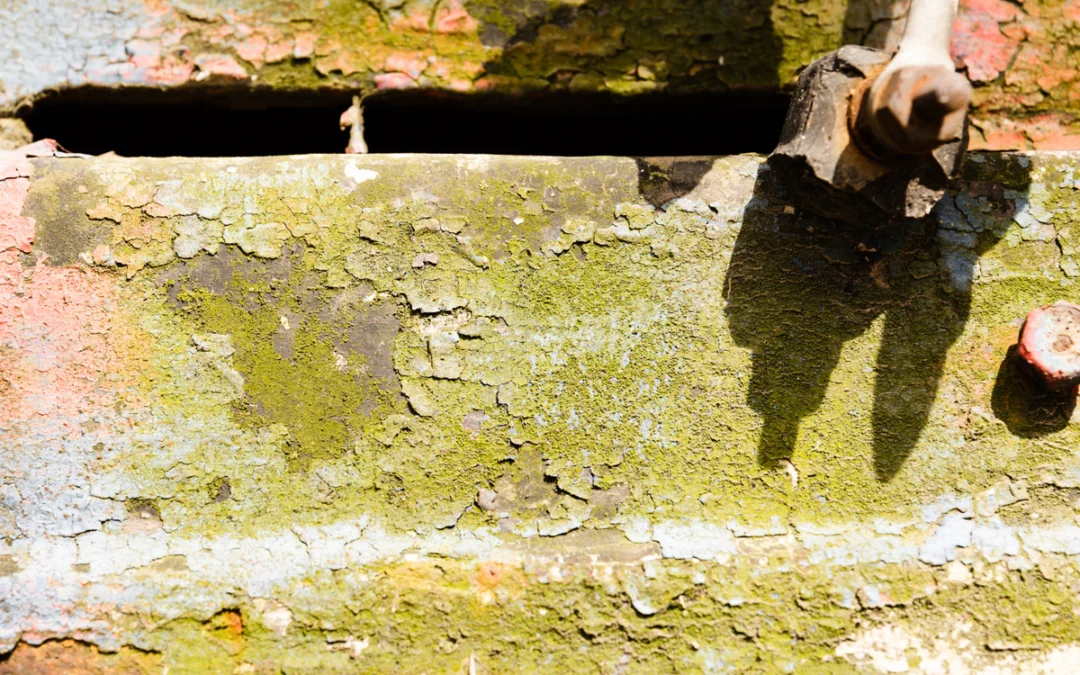
You are purchasing or renting a beautiful old house, or an apartment building, perhaps dating back to the 1950s or 1960s. It’s got character. However, what if there were an unseen threat behind the peeling paint? The risk is real.
In the United States, tens of millions of homes still have lead-based paint, which means lead dangers in old properties remain a serious concern for building owners.
If you own or manage such properties, this blog will guide you in understanding the risks posed by lead-based paint and provide straightforward yet practical methods for safeguarding the building and its occupants.
Why Lead Dangers Feel so Hidden
- Houses built before 1978 were painted with lead-based paint. In reality, about 38 million U.S. households still have some lead-based paint.
- Among them, approximately 24 million homes pose substantial risks of lead-contaminated paint, decaying paint, lead dust, or polluted soil.
- That dust or chipped lead paint? It isn’t harmless. It is one of the leading causes of lead poisoning, particularly among young children or pregnant women.
That’s why lead dangers in old properties are not just about peeling paint; it’s about health, safety, and potential liability.
Who Could be at Risk, and When
When it comes to paint, building owners tend to believe that once the paint appears good, all is good. Sadly enough, that is not the case.
- The intact lead-based paint may not be a hazard by itself; however, the issue begins when the paint starts to peel, crack, chip, or even wear off. The lead dust and paint chips become dangerous at that point.
- There are lots of lead-paint surfaces in older homes, including walls, window sills, doors, stair railings, banisters, and porches. The surfaces that receive heavy human traffic are particularly hazardous, as the paint may wear out over time.
- You can easily disturb lead paint unknowingly during renovations, repainting, or repairs. Sanding or demolition can also unsettle lead-based paint. It can disperse lead dust into the air and onto floors, furniture, and belongings.
So even if a building “feels safe,” lead dangers in older properties can emerge quietly over time or suddenly during renovations.
What Lead Exposure Can Do
The consequences of lead exposure can be severe, making lead hazards in older properties a serious liability.
For children
- Exposure to lead can damage the brain and nervous system. In children, this can translate into reduced IQ, learning disabilities, overall behavior issues, speech or hearing problems, slowed growth, and so on.
- Minor accumulations of lead over time are also harmful; there is no safe level of lead in the blood, according to experts.
For adults
- Exposure to lead is not a problem only for children. It threatens the health of the kidneys, heart, and adults in general.
- If tenants, guests, or children on the premises are exposed to lead, especially after renovations or repairs, building owners may face liability. Hiring licensed specialists and implementing safety countermeasures are paramount.
What Building Owners Can Do
When you own or run older properties, you should not wait until the paint falls off, but take action. Here’s what you can do now:
- Know the age of your building. Use your own judgment and assume that your home is pre-1978 and may contain lead-based paint.
- Inspect carefully. Check painted surfaces, including walls, windows, doors, railings, and porches, for peels, cracks, and wear. If you see deterioration, that’s a red flag for potential lead hazards in older properties.
- Hire qualified personnel. In case of any renovations, repairs, or repaint, hire certified contractors of the Environmental Protection Agency (EPA) Lead Renovation, Repair and Painting (RRP) program. They know how to contain lead dust and clean.
- After work, thoroughly clean and test for dust. Lead dust can be tested following the renovation by a certified risk assessor. The current EPA regulations propose almost zero measurable lead dust concentrations on floor and window sills in households built before 1978.
- Inform tenants or buyers. Disclosure of known lead hazards is not only ethical but also often obligatory. This transparency keeps you secure and enhances your reputation.
Lead Issues Don’t Fix On Their Own
Lead-based paint does not wear out. It remains there, buried under subsequent paint, alternating behind, or upon neglected fringes. Otherwise, it may gradually become a risk over the years, particularly as homes settle, heat and humidity shift, and surfaces deteriorate.
So, acting once isn’t enough. Building owners should:
- Schedule regular check-ups of the old properties.
- Document any previous lead assessment or remediation work.
- Revise the maintenance plan to contain the cleanup after repairs using lead-safe technology.
- Keep abreast of laws in force (e.g., EPA-set dust limits, contractor certification requirements).
It is a proactive strategy that ensures your properties are safe and prevents last-minute troubles.
Conclusion
Lead dangers in old properties are not a relic of the past. They are indeed a reality, a constant danger, lurking beneath coats of paint, in dusty attics, or trouble when the house is being remodeled. You, being the owner or manager of such buildings, can make them safe. It is possible to save lives and avoid liability by paying attention to the right things, hiring qualified professionals, and remaining proactive.
If you are ready to act and would like a comprehensive check-up to detect any concealed threats, visit BAHI (Blessed Assurance). Our home inspection crew will assist you in detecting the presence of lead and determine whether your premises are in a safe condition. Reach out to us today to ensure your family’s safety.