Radon isn’t something homeowners think about every day, but it should be. This invisible, odorless gas is the second leading cause of lung cancer in the United States. According to the Environmental Protection Agency (EPA), radon is responsible for about 21,000 lung cancer deaths each year.
The good news is that there are effective radon prevention methods to help protect your family from this hazardous gas. In this blog, you’ll know how to prevent radon in your home and provide your family with a healthier place to live.
What is Radon and Why Should You Care?
Radon is a naturally occurring radioactive gas that forms as a result of the breakdown of uranium in soil. This gas is harmless outdoors because it disperses quickly. However, within a home, where airflow is restricted, radon can accumulate to hazardous levels.
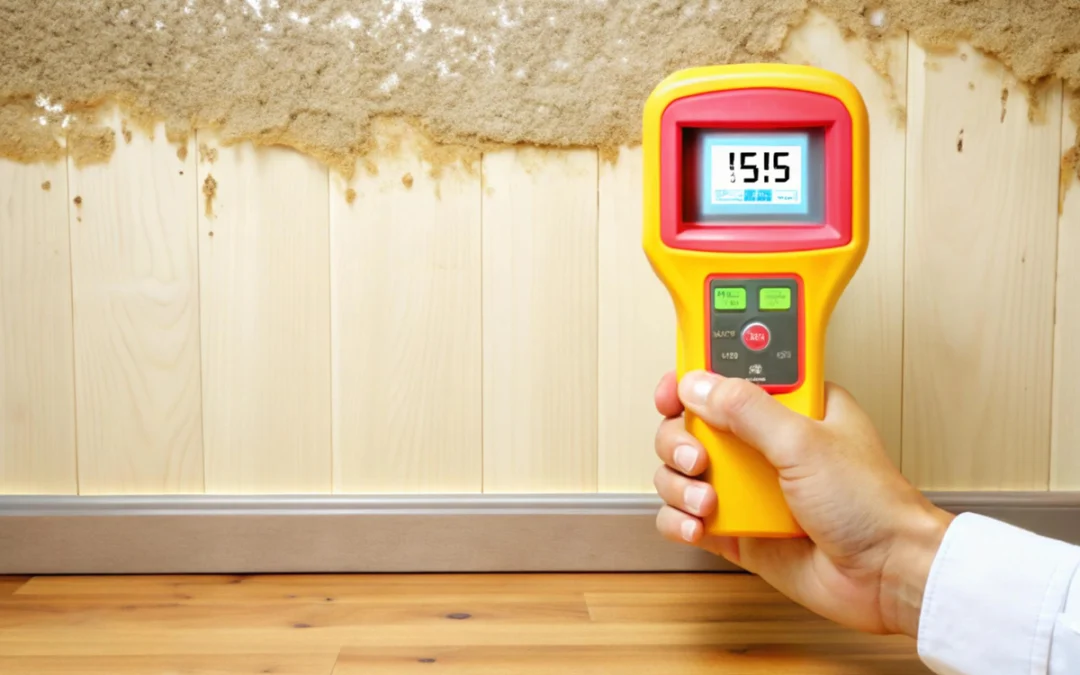
Since you can’t see, smell, or taste radon, the only way to detect it is through testing. That’s why the EPA and the U.S. Surgeon General recommend that every home be tested for radon, regardless of its location or age.
How Does Radon Enter Your Home
Radon can seep into your home, and you’ll have no clue about its presence until there is significant harm to your health. Usually, radon enters through:
- Cracks in the foundation
- Gaps around pipes, drains, or wiring
- Construction joints in floors and walls
- Basement sump pits
- Well water
Once radon has found its way inside your home, it tends to accumulate in lower levels of the house. If the ventilation is poor, it spreads throughout the living spaces.
How To Prevent Radon in Your Home?
First of all, you need to get a radon test to confirm if radon is present in your home. Then, depending on the radon levels and the condition of the home’s lowest floor, the inspector can suggest suitable prevention methods.
You need to be aware of the radon levels in your home as well as in the neighborhood, to plan effective preventive measures. If your home has a basement or is built on porous soil, there is a chance of high radon levels.
Radon Prevention Methods
There are some practical steps you can take to prevent radon in your home.
1. Seal Entry Points
Find and fill the cracks in the floor. There should be no gaps around the plumbing, wiring, and sump pumps. It is better to use weatherstripping on basement doors and windows.
Sealing alone may not eliminate radon, but it reduces the amount of radon entering your home. It supports your radon mitigation system.
2. Improve Ventilation
A better airflow can help dilute the radon concentration in your home. So, install air vents in basements or crawl spaces, use exhaust fans in high-risk areas, and open windows when the weather allows.
3. Install a Radon Mitigation System
If you live in an area with higher radon levels, you need the most effective ways to prevent excessive radon in your home, which is sub-slab depressurization. In this system, a pipe is inserted beneath your home’s foundation, and a fan continuously pulls radon gas from under the slab. The gas is vented safely above the roofline, where it dissipates harmlessly.
4. Radon-Resistant Construction (for New Homes)
If you are building a new home, it is better to be proactive and talk to your builder about radon-resistant techniques. This technique includes laying gas-permeable gravel under the foundation, installing a heavy-duty plastic barrier to prevent soil gases from entering, and pre-installing vent pipes for radon mitigation.
This preventive step costs far less during construction than retrofitting later.
5. Check and Maintain Your System Regularly
If you already have a radon mitigation system installed at your home, you need to test your home yearly to ensure radon levels stay low. Inspect the fan to ensure it is running properly and replace or repair parts if necessary.
Prevention of radon isn’t just about installing the system; it also requires ongoing maintenance.
Key Takeaways
We all know that radon is a silent threat. But it is also a solvable problem. By testing your home for radon and taking the required preventive steps, you can significantly reduce the risk for your family.
Start from the first and most crucial step. Get radon testing to know about the radon levels, and let the experts at Blessed Assurance Home Inspection help you if you need a mitigation system or preventive measures to deal with this hazardous gas.