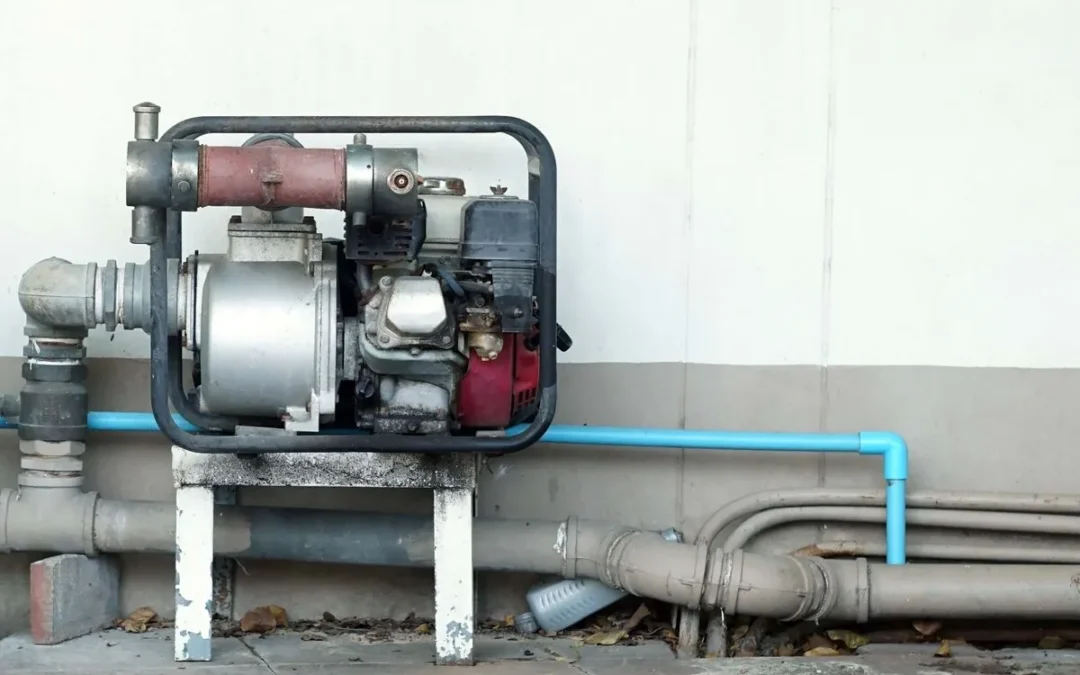
Imagine yourself managing a busy restaurant, a high-rise office building, or a multi-story shopping mall. People are bustling about, and everything appears well-organized. But, deep down, in the shadows of a basement or below the concrete, something is working quietly and efficiently, ensuring sewage removal from the building. That hidden hero is the sewer ejector pump.
Now, you might wonder, what is a sewer ejector pump, and why does it matter? Let’s take a deep dive.
The Basics: What Is A Sewer Ejector Pump
A sewer ejector pump raises wastewater from below-ground levels, like the basement, to the central sewer. In gravity-fed systems, slope and natural flow typically carry waste away. But when gravity isn’t enough, ejector pumps do the heavy lifting.
Think of it like an elevator for wastewater. Without this device, wastewater might pool on your lower floors, causing water damage, backups, and major maintenance problems.
Why Sewer Ejector Pumps Are Needed For Commercial Buildings
In an ordinary home, plumbing fixtures are typically positioned above the sewer line, making it easier for waste to flush down without the need for additional devices. Commercial buildings often have basements that support numerous plumbing fixtures across multiple stories. When it is necessary to move wastewater uphill or against gravity, these fixtures below the main sewer line require assistance from ejector pumps. That’s where commercial sewage ejector pumps come in.
For example:
- Ejector pumps are required in hotel laundry rooms on lower floors.
- In hospitals’ basements, labs, and washrooms, they are necessary.
- Many restaurants rely on them for basement kitchens or storerooms.
If your commercial building has fixtures underneath the main sewer line, it requires a sewer ejector pump.
Sewer Ejector Pumps vs. Sump Pumps: Key Differences
You may assume that sewer ejector pumps are a substitute for sump pumps, but these two types of pumps serve entirely different purposes.
A sump pump is made to handle clean or gray water (rainwater, minor leaks).
A sewer ejector pump handles blackwater wastewater from toilets, kitchens, and other drain lines.
This difference is critical when choosing the right system. Ejector pumps demand a stronger build with sealed systems to handle solids and contain unpleasant odors.
How Do They Work
Here’s a simple breakdown:
- Liquid from bathroom fixtures at lower levels is emptied into an intermediate tank.
- When the tank fills to a certain level, a float switch activates the ejector pump.
- At that point, the pump activates, the pump is turned on, grinds the waste, and takes it up through the discharge pipe.
- After grinding, the wastewater can be disposed of in the main sewer or into a septic tank.
- Many commercial systems include alarms and backups to help prevent failure.
What If You Ignore Ejector Pumps
Neglecting or delaying maintenance on your commercial sewage pump system can lead to big problems like;
- Flooded basements.
- Raw sewage backups.
- Persistent odors and unhealthy conditions.
- Health and safety violations.
The Environmental Protection Agency (EPA) estimates that the country experiences between 23,000 and 75,000 sewage backups annually.
By getting the installation right and regularly maintaining the system, you can significantly minimize this potential problem.
Tips For Maintenance And Longevity
Like other mechanical systems, ejector pumps need care and maintenance. These tips can help you attain optimal performance from your commercial sewage pump system.
- Regular inspections: At least twice a year.
- Clean the vent: Vents maintain proper flow and equalize pressure.
- Test the alarm: Ensure that the high-water alarm functions properly.
- Check seals and covers: Prevent foul odors and leaks.
- Don’t flush wipes, diapers, grease, or non-degradable items.
- Ejector pumps can last between 7 to 10 years, or even longer, with regular maintenance.
Signs That Tell You Need Repair Or Replacement
Look out for these signs:
- Unusual noises or vibrations.
- Frequent cycling or not turning on.
- Water is pooling in the lower levels.
- Offensive stench from the pump’s location.
If you notice any of these signs, it’s time to call a professional.
How To Choose The Correct Pump For Your Commercial Facility
Choosing the right commercial sewage pump depends on the following:
- Your building’s layout and design.
- Number of lower-level fixtures.
- Expected volume of wastewater.
- Local plumbing codes.
An expert’s consultation can help steer you in the right direction regarding the best option. Choosing the wrong pump now can lead to expensive problems later.
The Bottom Line
So, what is a sewer ejector pump? This pump quietly protects the plumbing for your commercial building. It handles the dirty work in multiple ways to keep the drainage system up and running.
Ignoring it isn’t just risky; it’s costly. Pump failure can result in expensive water damage, violations of local health codes, and, in extreme cases, temporary closure of your business until repairs are completed.
Paying attention to ejector pumps is crucial for hotel, hospital, or warehouse owners.
At Blessed Assurance Home Inspection, we understand the importance of the sewer ejector pump in keeping your facility’s plumbing system running efficiently. Our licensed technicians specialize in inspecting, repairing, and replacing commercial sewage pump systems.
Our services lower repair costs and ensure smooth, uninterrupted operations while adhering to strict health and safety norms.
Don’t wait for an emergency, schedule a professional inspection with Blessed Assurance Home Inspection today. Contact BAHI for a thorough system assessment or individual estimate, and let us handle the messy work.