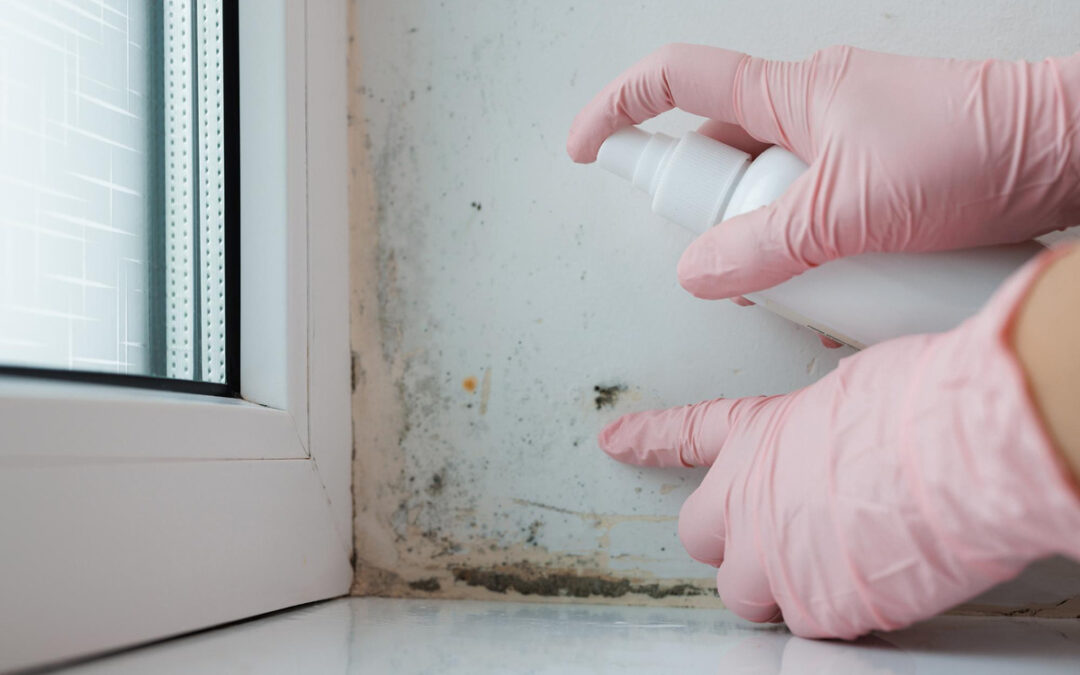
Mold is one of those home issues that can make any homeowner uneasy. Sometimes it shows up clearly as dark spots on a wall or ceiling. Other times, it hides behind drywall, under flooring, inside cabinets, or in damp corners you rarely check. That’s why a professional mold inspection is so important. It helps identify whether mold may be present, what could be causing it, and what steps may be needed next.
Let’s learn about the tools and methods used in the mold inspection process.
Why Mold Inspections Matter
Mold needs moisture to grow. That means mold problems are often connected to leaks, humidity, poor ventilation, flooding, roof issues, plumbing problems, or condensation.
The concern is not only appearance. Mold can damage building materials and may affect indoor air quality. For some people, mold exposure can trigger irritation, allergies, or breathing discomfort. The CDC notes that people with allergies, asthma, or weakened immune systems may be more sensitive to mold exposure. A professional mold inspection helps connect the visible signs with the hidden conditions that may be feeding the problem.
What Happens During a Mold Inspection
A mold inspection usually starts with a conversation. The inspector may ask about past leaks, flooding, roof repairs, plumbing issues, musty odors, humidity problems, or areas where you have noticed staining. From there, the inspector checks areas where mold is most likely to grow. These often include basements, crawl spaces, attics, bathrooms, kitchens, laundry rooms, HVAC areas, and spaces around windows or exterior walls.
The goal is to answer three basic questions:
- Is there visible evidence of mold or mold-like growth?
- Is there moisture that could support mold growth?
- Is testing needed to better understand the situation?
Here is the step-by-step mold inspection process:
Visual Inspection
The visual inspection is the foundation of the entire process. Before using advanced tools, an inspector looks for clues that suggest moisture intrusion, poor ventilation, or possible mold growth.
During this step, the inspector checks for:
- Dark or fuzzy spots on walls, ceilings, or wood
- Staining around windows or plumbing fixtures
- Peeling paint or bubbling drywall
- Musty odors in closed rooms or basements
- Warped flooring or soft drywall
- Signs of past water damage
- Poor ventilation in bathrooms or attics
A visual inspection can reveal a lot, but mold is not always visible. That is why inspectors often use moisture tools to see what may be happening behind the surface.
Moisture Meters
A moisture meter is one of the most common tools used during a home mold inspection. Since mold needs moisture, finding elevated moisture levels is a major part of the inspection.
Moisture meters help inspectors check:
- Elevated moisture behind walls
- Damp baseboards or trim
- Wet drywall near plumbing lines
- Moisture below windows
- Damp flooring near bathrooms or kitchens
- High readings in the basement walls
- Moisture around the roof leak areas
A high moisture reading does not automatically mean mold is present, but it does show that conditions may support mold growth if the issue is not corrected.
Infrared Thermal Imaging Cameras
Thermal imaging cameras do not see mold, but they can help inspectors find temperature differences that may point to hidden moisture. For example, a cooler area behind a wall may suggest dampness from a leak or condensation.
This tool is especially useful when there is:
- Cold spots behind walls or ceilings
- Patterns that suggest roof leaks
- Possible plumbing leaks inside the walls
- Moisture near windows or doors
- Damp insulation areas
- Air leaks are causing condensation
- Hidden moisture behind finished surfaces
Thermal imaging is a helpful screening tool, but it is usually used alongside moisture readings and visual findings.
Hygrometers and Humidity Readings
Indoor humidity plays a big role in mold growth. If a home has consistently high humidity, mold can develop even without a major leak. A hygrometer measures relative humidity in the air.
Inspectors use it to evaluate:
- High humidity in basements
- Poor bathroom ventilation
- Damp crawl spaces
- Condensation on windows
- Humid laundry areas
- Musty air in closed rooms
- HVAC or ventilation problems
If the air is too humid, simply cleaning visible mold may not solve the problem. The moisture source needs to be controlled.
Air or Surface Sampling
Air sampling may be used when mold is suspected but not clearly visible. Surface sampling is used when there is visible growth or staining. It helps the inspector to know what type of mold or particles are present.
What a Mold Inspection Report Includes
After the inspection, you should receive a report that explains the findings in clear language. A good report may include photos, moisture readings, areas inspected, visible concerns, sampling results if applicable, and recommendations for next steps. The most useful report does more than point out spots on a wall. It helps explain why the issue may be happening and what should be corrected.
Check if Mold is Growing in Your Home
A professional mold inspection is more than a quick look around the house. It combines visual clues, moisture readings, humidity checks, thermal imaging, sampling, and other methods to understand what may be happening inside the home. If you suspect mold, don’t rely on guesswork. Schedule a home mold inspection with Blessed Assurance Home Inspection.